
Termite Inspection & Treatment in Santa Clarita & the Antelope Valley
Termites can cause expensive structural damage long before you notice obvious signs. Hydrex provides thorough termite inspections and proven treatment options to protect homes and buildings across Santa Clarita and the Antelope Valley. Our focus is simple: detect early, treat correctly, and prevent further damage.

How can we help you?
Common Problems We Solve
- Piles of termite waste (frass) on window sills, baseboards and wood floors
- Swarmers (discarded wings) near windows/doors
- Hollow-sounding wood, bubbling paint, or soft baseboards
- Concern after neighbor/nearby property had termites
- Ongoing moisture issues attracting termites
- Previous treatment but continued signs of activity
Our Termite Treatment Approach
1. Detailed inspection of property
2. Recommend the right option based on type of termite and accessibility:
- Local chemical treatment when appropriate
- Whole-house fumigations
Why Choose Hydrex Pest Control?
- Family owned & operated since 1970
- Local experience with all housing an business types in Santa Clarita & Antelope Valley
- Discreet service for homes and commercial clients
- Safety-minded approach (especially around families and pets)
- Clear communication: what we found, what we’re doing, and what we will do next
Local Termite Control Experts
We proudly serve Santa Clarita, Valencia, Newhall, Lancaster, Palmdale, Canyon Country, Saugus, Acton, and communities throughout the Antelope Valley. Chances are you’re in one of the Hydrex service areas.
Frequently Asked Questions
Q: What are the warning signs of termites?
A: Termite waste (frass), swarmers/wings, hollow wood, and unexplained bubbling paint can all be indicators.
Q: Does insurance cover termite damage?
A: Most homeowners policies do not—early detection and prevention matter.
Drywood vs. Subterranean Termites in Santa Clarita
Santa Clarita homes can be affected by both drywood and subterranean termites. Knowing which type is present matters because the signs, nesting habits and treatment options are different.
DRYWOOD TERMITES
Drywood termites live directly inside wood and do not need contact with soil. Common signs include small piles of pellet-like droppings, discarded wings and hollow or damaged wood. Treatment may involve localized applications or, when activity is widespread, whole-structure fumigation.
SUBTERRANEAN TERMITES
Subterranean termites live in the soil and travel into structures through mud tubes or concealed entry points. Treatment typically focuses on the soil and foundation area to stop termites from reaching and damaging the structure.
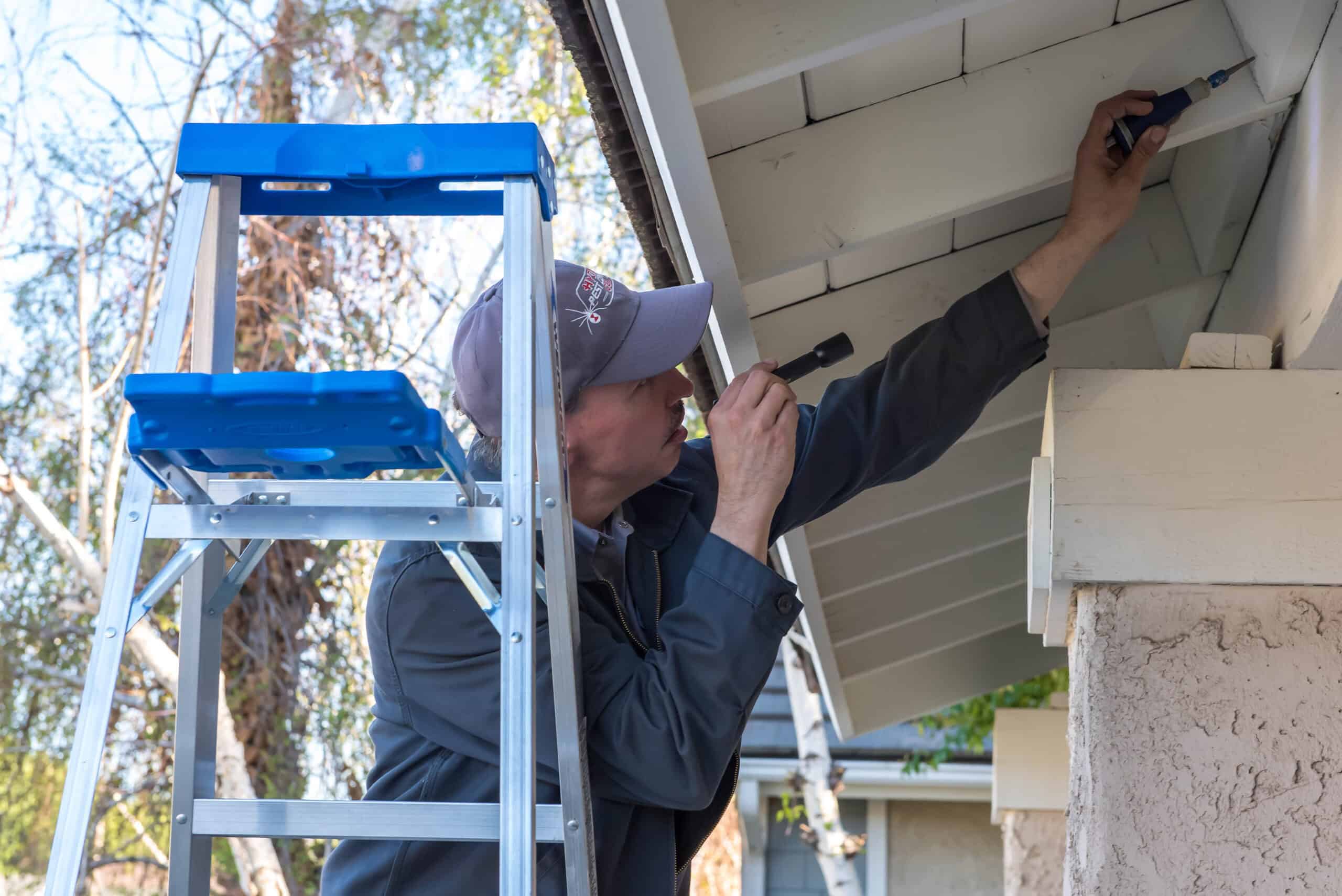
Protect your home before termites cause expensive damage.
Termites can be active long before you see obvious signs. Hydrex provides thorough inspections and clear recommendations so you can treat early, protect structural wood, and avoid costly repairs.